Idea Bank — Request for Climate Startups
Recycled Plastic Construction Bricks
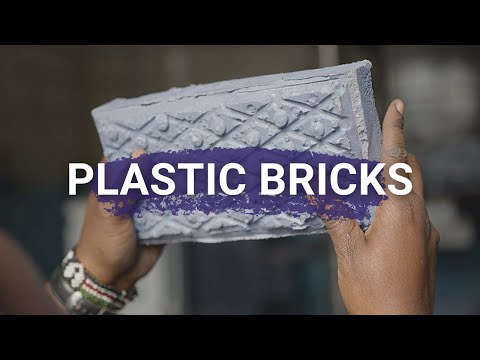
Press waste plastic into interlocking building bricks that replace fired clay in Bangladesh's construction boom.
The ask
Build a plastic-brick manufacturing plant that shreds, blends, and compression-moulds mixed waste plastic into interlocking construction bricks — sold as a cheaper, lighter, faster alternative to fired clay bricks in Bangladesh's rural housing and low-rise commercial construction market.
Why now
Fired clay brick prices in Bangladesh rose 40% between 2021 and 2024 as fuel costs increased and regulatory pressure on kilns tightened. Plastic-brick technology is now commercially proven: ByFusion (USA), Conceptos Plásticos (Colombia), and Nzambi Matee's company (Kenya) have all demonstrated viable product at commercial scale, with Nzambi winning the 2023 Champions of the Earth award and securing export contracts. The machines are off-the-shelf or can be fabricated locally; the feedstock — waste plastic — is a negative-cost input in Bangladesh.
Why Bangladesh
Bangladesh has a severe plastic waste problem and a severe brick pollution problem, and plastic bricks solve both simultaneously. The country generates ~3 million tonnes of plastic waste/year; construction consumes ~20 billion fired bricks/year. Plastic bricks are 40–60% lighter than clay bricks, reducing structural load and transport cost — a significant advantage in flood-prone areas where construction sites are difficult to reach by truck. The Bangladesh National Building Code was updated in 2020 to permit alternative masonry materials, creating the regulatory path.
As a business
Sell plastic bricks at ৳8–12 per brick against a fired-clay brick price of ৳10–14, with near-zero feedstock cost (plastic waste buyers in Dhaka pay collection fees rather than charge for material). Margin comes entirely from the feedstock cost advantage and processing efficiency. Revenue per plant at 15,000 bricks/day is ৳45–55 million/year. A second revenue stream is plastic waste collection fees from municipalities, factories, and the garment industry — waste generators will pay ৳2–5/kg to have plastic removed and certified as recycled.
Economics
Move the sliders to model your own plastic brick plant. Defaults are order-of-magnitude estimates — pressure-testing them is part of what a founder pitches us.
Model a recycled plastic brick plant
Clears its setup cost after ~7 months, then profit (volt) from there. Hover or tap the chart for any month.
Illustrative model — defaults are order-of-magnitude estimates from public data, not a forecast. Pressure-test every number before you build.
What AimHuge would back
A founder with materials or mechanical engineering background who has already produced a test batch of bricks and has a structural test report (compression, water absorption) to show. We want the manufacturer who controls both the waste-collection chain and the distribution channel — not a pure machine operator dependent on a single waste broker. A named construction company or housing NGO committed to trialling the product is the right condition for seed funding.
Impact
Each recycled plastic brick displaces a fired clay brick (≈0.3 kgCO₂e each, including coal-fired kiln energy); at 12 000 bricks/day and 300 days, one plant avoids roughly 1 080 tCO₂e/year versus the fired-clay baseline, while also diverting ≈1 800 tonnes of mixed plastic from open burning. The bricks require no mortar (interlocking designs) and are 3× stronger in compression than standard clay brick, enabling unskilled construction that creates jobs in low-income housing projects. Bangladesh still imports significant volumes of cement and clay-brick inputs; substituting even a fraction with locally made plastic-composite bricks reduces that FX drain while addressing the country's chronic low-cost housing shortage.
Also being built elsewhere
Companies proving the model in other markets.
Nzambi Matee's plastic-sand paver brick company; compression strength 3× concrete — proven unit economics and market-development playbook for the developing world.
Produces 100% waste-plastic construction blocks without adhesives; demonstrates certified building-material compliance pathway and EPR-linked traceability.
Lego-style interlocking plastic bricks for low-income housing — closest analogue to the social-housing use case pitched for Bangladesh.
More Circular Materials ideas
Other climate businesses we want built.