Idea Bank — Request for Climate Startups
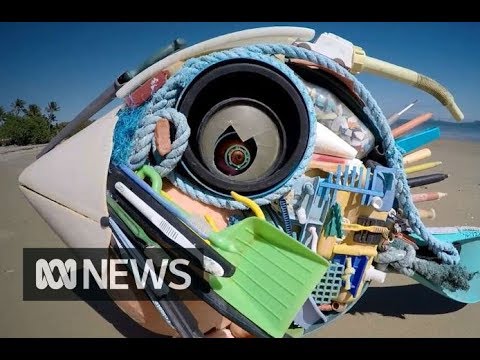
Plastic Waste Tourist Curios
Turn collected beach plastic into artisan keepsakes sold to eco-tourists at Cox's Bazar.
The ask
Build a social enterprise that employs coastal women to convert collected beach and river plastic waste into finished keepsake products sold to domestic and international tourists at Cox's Bazar and Sylhet river resorts.
Why now
Cox's Bazar is Bangladesh's only mass-tourism beach and receives 2–3 million domestic visitors per year; eco-tourism premiums are rising with Bangladesh's growing urban middle class. The upcycled-ocean-plastic aesthetic has proven commercial traction with brands like Adidas × Parley and dozens of artisan labels — the supply-side cost (beach-collected plastic) is essentially free labour-plus-sorting. Bangladesh's craft-export sector already has SB/export pathways; plastic curios slot into existing artisan channels.
Why Bangladesh
Cox's Bazar accumulates an estimated 10–15 tonnes of plastic on its 120 km beach every month, much of it washed in from upstream rivers. Rohingya camp proximity means there is a large underemployed workforce within 30 km willing to do sorting and basic fabrication. The tourism corridor lacks distinctive, authentic souvenirs — branded "collected from this beach" products fill that gap and command a large premium over generic imports.
As a business
Revenue from retail (hotel gift shops, beach kiosks, online) at ৳150–600 per piece; bulk B2B sales to resorts as amenity gifts add volume. A ten-person workshop processes roughly 200 kg of plastic per month into 800–1 200 finished units. Margins are high because feedstock is free; labour is the primary cost. A carbon-certificate side channel (verified plastic removal credits) can add ৳3–8 per kg removed once the collection operation is audited.
Economics
Move the sliders to model your own plastic-curio workshop. Defaults are order-of-magnitude estimates — pressure-testing them is part of what a founder pitches us.
Model a beach-plastic curio workshop
Does not break even within 5 years at these inputs — adjust the sliders. Hover or tap the chart for any month.
Illustrative model — defaults are order-of-magnitude estimates from public data, not a forecast. Pressure-test every number before you build.
What AimHuge would back
A founder with a demonstrated sales channel — a confirmed hotel partnership or Dhaka design-store account — and a working quality-control system for the artisan production. We want unit economics proven before we invest in collection-scale infrastructure. Small seed (৳20–50 lakh) to validate the product-market fit before a Series A that builds the plastic-removal supply chain.
Impact
A 900-unit-per-month workshop collects roughly 150–200 kg of plastic from Cox's Bazar beach every month — preventing that material from re-entering the ocean or being openly burned on the shoreline. Open burning of beach plastic emits approximately 2.9 kg CO₂e per kg; preventing 2 tonnes of burning per month avoids roughly 70 tCO₂e per year at a single workshop. Scaling to 20 workshops across the Cox's Bazar–Teknaf corridor would intercept over 40 tonnes of plastic annually, create 200+ direct jobs for coastal women, and generate verified plastic-removal credits that layer on top of product revenue.
Also being built elsewhere
Companies proving the model in other markets.
Collects 100,000 lbs of beach flip-flops annually; employs coastal women; sells upcycled sculptures globally — the closest comparable to the Cox's Bazar model
For-profit beach plastic removal funding model via product sales ($24/bracelet → 5 lbs removed); proves consumer willingness to pay a significant premium for plastic-removal provenance
Artist-led coastal plastic upcycling sold directly to eco-tourists; proves the tourist-souvenir channel at a comparable remote-beach destination
More Circular Materials ideas
Other climate businesses we want built.