Idea Bank — Request for Climate Startups
Natural Fibre Disposable Plates
Bagasse and banana-leaf plates from a press mold — replacing polystyrene in BD food service.
The ask
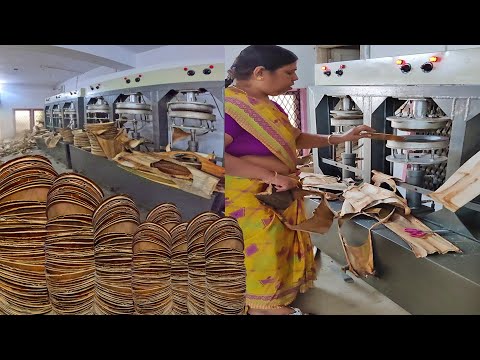
Buy a hydraulic press mold and set up a small manufacturing unit producing single-use plates from sugarcane bagasse, banana leaf, or rice straw — selling into restaurants, street-food vendors, and institutional caterers as a polystyrene replacement.
Why now
Bangladesh's single-use plastic ban (in force since 2002, enforcement intensifying since 2020) is creating real demand for alternatives, and polystyrene bans in catering are extending to hospital and airline supply chains. Global food-service buyers are actively sourcing certified compostable packaging; a Bangladeshi supplier sits inside the low-cost manufacturing belt that those buyers already trust. Mold prices from Chinese suppliers have fallen 60% in five years, making the entry point genuinely micro.
Why Bangladesh
Bangladesh produces ~9 million tonnes of sugarcane bagasse annually; most is either burned or dumped. Banana cultivation generates large volumes of leaf and stem waste in almost every district. Rice straw is the single largest agricultural residue stream in the country. All three are available at near-zero raw material cost. Labour for sorting, pressing, and packing is abundant at competitive rates, and Dhaka's enormous street-food and institutional food sector is a captive local market before any export is needed.
As a business
Sell plates wholesale to distributors and directly to restaurant chains, hospital kitchens, and airline caterers. Margin comes from the gap between near-zero feedstock cost and a price point ~30% below imported compostable plates, while remaining 2–3× above polystyrene. A second revenue stream is B2B branded plates (logo-embossed at no extra tooling cost) for chains willing to pay a premium for sustainability marketing.
Economics
Move the sliders to model your own plate manufacturing unit. Defaults are order-of-magnitude estimates — pressure-testing them is part of what a founder pitches us.
Model a natural-fibre plate unit
Does not break even within 5 years at these inputs — adjust the sliders. Hover or tap the chart for any month.
Illustrative model — defaults are order-of-magnitude estimates from public data, not a forecast. Pressure-test every number before you build.
What AimHuge would back
A founder who has already made a first batch and sold it — even informally to a local restaurant or school canteen. The machine is cheap; the real question is whether a buyer will pay the premium. We want the sales instinct validated before we write a cheque.
Impact
A single-use areca or banana-leaf plate displaces one thermoformed polystyrene or PP plate (≈30 g plastic, ≈80 gCO₂e including end-of-life burning); at 3 000 plates/day and 300 days, one press line avoids roughly 72 tCO₂e/year while producing a fully compostable product with zero plastic waste. Bangladesh imports over $40 m/year of disposable foodservice ware; each fibre plate made locally directly substitutes an import. The leaf feedstock — areca sheaths, banana stems, water hyacinth — is currently treated as agricultural waste and often burned in the field. Each press line employs 8–12 people in production and leaf collection, with a multiplier through the rural supply chain.
Also being built elsewhere
Companies proving the model in other markets.
Produces 4 m+ areca plates/month across 200 000 sq ft; proves the industrial-scale economics and EU/US export certification pathway.
Karnataka-based exporter targeting EU hospitality sector — demonstrates the premium B2B export price achievable for certified compostable ware.
More Circular Materials ideas
Other climate businesses we want built.