Idea Bank — Request for Climate Startups
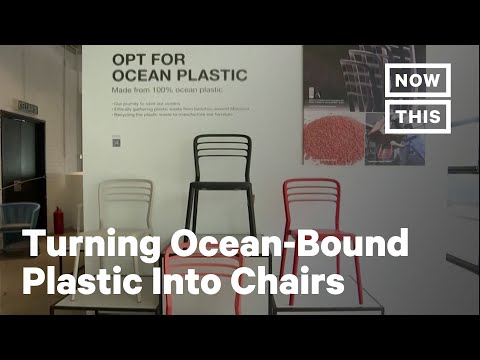
Beach Plastic Furniture
Collect coastal plastic waste and press it into durable outdoor benches and street furniture.
The ask
Run a coastal plastic collection network along Bangladesh's shoreline, shred and extrude the recovered HDPE and PP into standardised lumber profiles, then sell finished benches, picnic tables, and park furniture to municipalities, hotels, and real-estate developers — all at a premium "ocean plastic" brand positioning.
Why now
Ocean-bound plastic certification (Verra Plastic Standard, Ocean Conservancy) now commands a 20–50% price premium over virgin plastic products in export markets. The FMCG brands using certified recycled content (Unilever, Nestlé) are actively seeking Bangladesh-origin supply because that's where the plastic pollution is worst — and supply is thin. Domestically, RAJUK and smart-city programmes in Chattogram are tendering for low-maintenance outdoor furniture; recycled plastic lumber outlasts wood 5:1 in humid climates.
Why Bangladesh
Bangladesh's coastline — Cox's Bazar, Kuakata, the Sundarbans fringe, and the Meghna estuary — accumulates an estimated 20,000+ tonnes of plastic per year, much of it HDPE and PP fishing net + packaging that is currently landfilled or burned. Coastal communities depend on fishing and tourism income; a formalised collection programme creates dry-season income for fishermen and women's groups already organised under NGO networks. Labour and electricity costs are low enough to make small-batch extrusion lines viable at ৳40–60 lakh capital.
As a business
Two revenue streams: B2G and B2B furniture sales (৳18,000–35,000 per bench equivalent, margin ~45% over collection + processing cost), and sale of certified ocean-bound plastic pellets to export buyers at $400–600/tonne. The pellet export channel is the scale play — furniture is proof of concept and local cash flow. Volume unlocks the certification audit that makes the export price.
Economics
Move the sliders to model your own beach plastic operation. Defaults are order-of-magnitude estimates — pressure-testing them is part of what a founder pitches us.
Model a coastal plastic upcycling plant
Does not break even within 5 years at these inputs — adjust the sliders. Hover or tap the chart for any month.
Illustrative model — defaults are order-of-magnitude estimates from public data, not a forecast. Pressure-test every number before you build.
What AimHuge would back
A founder who can lock up the collection-side supply — through an NGO partnership, fishermen's cooperative, or municipality waste contract — before worrying about the factory. The hardest part of ocean-plastic businesses is consistent feedstock quality; we'd back someone who solves that first and treats the extrusion line as commodity capital.
Impact
Collecting ocean-bound plastic before it enters the Bay of Bengal and converting it into HDPE lumber for outdoor furniture avoids both the open-burning pathway (≈2.9 tCO₂e/tonne burned) and the import of virgin polymer lumber. At 15 tonnes/month (180 t/year), a single facility avoids roughly 520 tCO₂e/year and keeps an equal weight of plastic out of coastal waterways. The collection supply chain employs beach and riverbank collectors — predominantly women in coastal communities — as well as factory workers for shredding, melting, and moulding; 15 t/month supports approximately 20–30 FTEs across the chain. Certified 'ocean-bound plastic' carries a 30–50% price premium over standard recycled HDPE in European and US markets, making export revenue a meaningful FX earner.
Also being built elsewhere
Companies proving the model in other markets.
Pioneer of HDPE outdoor furniture from recycled containers; recycles 400 000 plastic items daily — proves the premium outdoor-furniture market for recycled polymer lumber.
Sources certified ocean-intercepted plastic from the Philippines for furniture — shows a direct South Asia–to–product supply chain that Bangladesh could mirror.
More Circular Materials ideas
Other climate businesses we want built.