Idea Bank — Request for Climate Startups
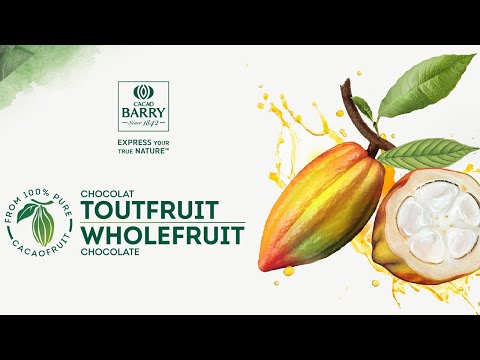
Whole Fruit Cacao Chocolate
Chocolate sweetened only with cacao fruit pulp — zero added sugar, zero processing waste.
The ask
Develop and commercialise chocolate sweetened exclusively with cacao fruit pulp rather than refined sugar — using the whole cacao pod and eliminating the ~70% of the fruit typically discarded as waste — targeting the health and clean-label premium chocolate market.
Why now
Whole-fruit chocolate (pioneered by Barry Callebaut's WholeFruit brand and several craft producers) has attracted major retailer listings in Europe and the US in the past three years. Consumer demand for sugar-reduced and clean-label confectionery is structural, not a fad. The fermented pulp concentrate is a processing innovation that has now been proven at pilot scale, removing the main technical barrier. EUDR traceability requirements (see above) create a simultaneous pull for supply-chain innovation at the farm level.
Why Bangladesh
Bangladesh is not a cacao-growing country, so this is more of a processing, branding, and innovation play than an agricultural one — the BD fit is lower than other ideas in this batch. The opportunity is to integrate cacao pulp processing into an existing agroforestry supply chain in Sylhet or the CHT, or to partner with Myanmar or Northeast Indian cacao farms where pulp is currently 100% wasted. Bangladesh's food-science talent (large agricultural university sector) and low-cost R&D labour make it a plausible product-development base for a brand that exports.
As a business
Sell premium bars at a 30–50% price premium over standard single-origin chocolate in the same weight class, justified by the no-added-sugar claim and the zero-waste story. Revenue mix: direct-to-consumer online, premium retail, and B2B supply to bakeries, cafés, and confectionery companies. Licensing the pulp-processing method to larger chocolate manufacturers is a longer-term upside.
Economics
Move the sliders to model a whole-fruit cacao chocolate brand. Defaults are order-of-magnitude estimates — pressure-testing them is part of what a founder pitches us.
Model a whole-fruit cacao chocolate brand
Clears its setup cost after ~6 months, then profit (volt) from there. Hover or tap the chart for any month.
Illustrative model — defaults are order-of-magnitude estimates from public data, not a forecast. Pressure-test every number before you build.
What AimHuge would back
A food scientist or chocolatier who has already produced a working batch using cacao pulp sweetening — not a concept but a product we can taste. Given the low Bangladesh fit, we would want to see a clear path to either a local cacao supply chain or a plausible contract processing arrangement with an established farm before backing at seed.
Impact
Whole-fruit cacao eliminates the ~70% of the cacao pod currently discarded as waste at origin farms, roughly halving the post-harvest waste stream and the associated methane emissions from rotting pulp in tropical conditions. Each bar sold without refined sugar also avoids the high-energy refining process: cane-sugar production emits ~0.3 kg CO₂e per kg of sugar displaced, so at 18 000 bars/year (900 g sugar equivalent), this saves roughly 2.4 tCO₂e annually at default scale. Sourcing the cacao pulp from Bangladeshi or regional small farms creates premium income for growers who currently receive nothing for the discarded fruit, and positions Bangladesh as an originator in a fast-growing clean-label premium segment worth USD 28 billion globally.
Also being built elsewhere
Companies proving the model in other markets.
World's first commercial whole-fruit chocolate; proves the ingredient and the retail concept at scale for food-service and artisan buyers.
Premium bean-to-bar craft chocolate brand using whole-fruit and low-intervention processing — comparable positioning for an emerging-market artisan.
More Regenerative Agriculture ideas
Other climate businesses we want built.