Idea Bank — Request for Climate Startups
Turnkey Hydroponic Farms
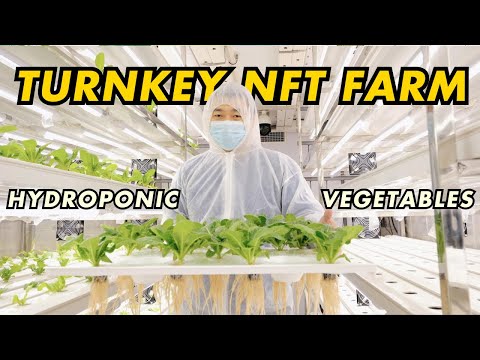
Plug-and-play hydroponic farm kits for urban rooftops and flood-prone land in Bangladesh.
The ask
Supply, install, and support modular hydroponic growing systems for urban rooftop farms, peri-urban greenhouse blocks, and NGO food-security projects in Bangladesh — bundling hardware, nutrient supply, agronomy support, and a produce offtake option into a single subscription.
Why now
Hydroponic vegetable yields are 3–8x higher per unit area than soil-based equivalents; nutrient-film technique (NFT) and deep water culture (DWC) systems are now cheap enough to assemble domestically from locally-available HDPE pipe and recycled containers. Bangladesh loses 15–30% of arable land seasonally to flooding; rooftop and elevated hydroponic systems are structurally flood-immune. Urban vegetable prices in Dhaka spike 40–80% from June–September as flood disrupts supply chains — a rooftop farm in Dhaka's dense blocks captures that premium without land cost.
Why Bangladesh
Dhaka has an estimated 200 km² of flat rooftop area, almost none of it productively used. The city imports 80%+ of its fresh vegetables from peri-urban belts, creating long, fragile supply chains vulnerable to flood and truck strikes. Bangladesh's garment factories, hospitals, and school networks are increasingly asked to demonstrate food-security commitments to international buyers and donors — a rooftop hydroponic kit is a legible, fundable answer. Local assembly of NFT channels, tanks, and pumps is straightforward at ৳3,000–6,000 per square metre of growing surface.
As a business
Revenue stacks: hardware kit sale or lease (৳1.5–4 lakh per 20m² unit), monthly nutrient and consumables subscription (৳3,000–8,000/month per unit), agronomy advisory retainer, and an optional produce buy-back scheme for customers who prefer to sell rather than consume. Leasing the hardware converts the upfront barrier into recurring revenue and builds a serviced fleet with predictable maintenance income.
Economics
Move the sliders to model your own hydroponic farm business. Defaults are order-of-magnitude estimates — pressure-testing them is part of what a founder pitches us.
Model a turnkey hydroponic farm business
Does not break even within 5 years at these inputs — adjust the sliders. Hover or tap the chart for any month.
Illustrative model — defaults are order-of-magnitude estimates from public data, not a forecast. Pressure-test every number before you build.
What AimHuge would back
A founder with both agronomy knowledge and supply-chain discipline who has assembled and operated at least 10 units through a full growing cycle in Bangladesh. AimHuge is particularly interested in a model targeting garment factories and hospital campuses as anchor clients, where food-security commitments create a predictable institutional buyer.
Impact
Hydroponic rooftop farms in Dhaka produce 3–8× more food per unit area than soil-based equivalents while using 90% less water — displacing flood-disrupted peri-urban supply chains that currently cause 40–80% price spikes from June–September. Each 20 m² unit installed on a garment factory or school rooftop keeps an estimated ৳30,000–60,000 of vegetable spend per year inside the local economy. At 150 installed units, the aggregate system produces roughly 60 tonnes of vegetables annually, cutting the truck-freight CO₂e from peri-urban supply by an estimated 15–20 tonnes per year. The subscription nutrient supply model also displaces imported synthetic fertiliser inputs.
Also being built elsewhere
Companies proving the model in other markets.
Shark Tank India-featured turnkey hydroponics EPC company with 100+ farms developed; proves the bundled hardware + advisory model in South Asia.
India's award-winning agtech startup offering turnkey aeroponics and hydroponics with assured buy-back — direct model comparator for the Bangladesh opportunity.
More Regenerative Agriculture ideas
Other climate businesses we want built.