Idea Bank — Request for Climate Startups
Containerized Mushroom Farms
Shipping-container grow rooms using agri-waste substrate produce premium mushrooms year-round.
The ask
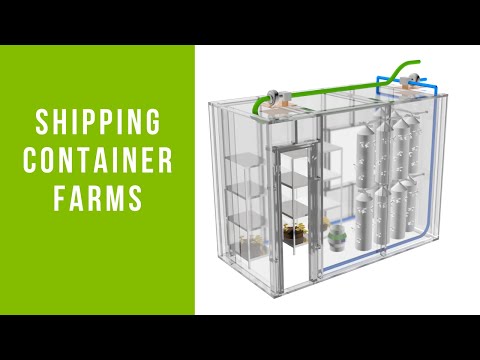
Build and operate a network of shipping-container mushroom farms — each a controlled-environment grow room running on agricultural waste substrate — and sell gourmet and medicinal mushrooms to urban restaurants, supermarkets, and pharma ingredient buyers.
Why now
Global gourmet mushroom demand is growing at ~9% CAGR as urban middle classes seek protein alternatives. Containerized systems have been proven in South Korea and the Netherlands, with container fitouts now available from Chinese suppliers at costs 60% lower than five years ago. The substrate problem — often the bottleneck — is a structural surplus in Bangladesh.
Why Bangladesh
Bangladesh produces roughly 19 million tonnes of rice straw annually, most of it burned; oyster and shiitake mushrooms grow optimally on rice straw substrate, converting a disposal problem into raw material at near-zero cost. Dhaka's premium food market is underserved — gourmet mushrooms are imported or intermittently available. The climate outside containers is too humid and hot for year-round production, making the controlled container the only reliable path to consistent supply.
As a business
Revenue from direct B2B sales to hotels, restaurants, and grocers commands ৳400–700/kg for oyster and ৳1,200–2,000/kg for lion's mane; a secondary revenue line is spawn (mycelium starter) sales to smallholder mushroom farmers, creating a franchise effect. Spent substrate exits as premium compost, sold to urban home gardeners. Each container is a self-contained profit centre that can be stacked at a hub or deployed at a rice mill for zero-transport substrate sourcing.
Economics
Move the sliders to model your own container farm. Defaults are order-of-magnitude estimates — pressure-testing them is part of what a founder pitches us.
Model a containerized mushroom farm
Does not break even within 5 years at these inputs — adjust the sliders. Hover or tap the chart for any month.
Illustrative model — defaults are order-of-magnitude estimates from public data, not a forecast. Pressure-test every number before you build.
What AimHuge would back
A founder who has already run a pilot container with proven yield data and at least one recurring B2B customer. We are less interested in single-container lifestyle businesses and more in someone who has a plan to operate 20+ containers within 36 months, with spawn sales as a capital-light growth vector.
Impact
Each container converts roughly 1–2 tonnes of rice straw per month into food — diverting agricultural waste that would otherwise be burned in the field, avoiding an estimated 3–4 tCO₂e per container per year from open straw burning. At 20 containers, the network prevents 60–80 tCO₂e per year and produces 6,000 kg per month of protein-dense gourmet mushrooms, reducing Dhaka's dependence on meat-protein imports. Spent substrate from 20 containers yields approximately 20 tonnes per month of premium compost, a secondary revenue stream that closes the nutrient loop on Bangladesh's rice waste.
Also being built elsewhere
Companies proving the model in other markets.
Built NYC's first organic mushroom farm from a reclaimed shipping container; 40× output per sq ft vs traditional farming — the direct container-farm analogue
Hub-and-spoke container mushroom model targeting 50+ US city locations; proves the multi-container franchise playbook AimHuge wants to see replicated in BD
Urban mushroom farm and training academy; sells spawn globally and educates operators — the spawn-sales growth vector referenced in the BD idea
More Regenerative Agriculture ideas
Other climate businesses we want built.