Idea Bank — Request for Climate Startups
Agroforestry Cacao Chocolate
Direct-trade artisan chocolate brand sourced from agroforestry farms, commanding premium margins.
The ask
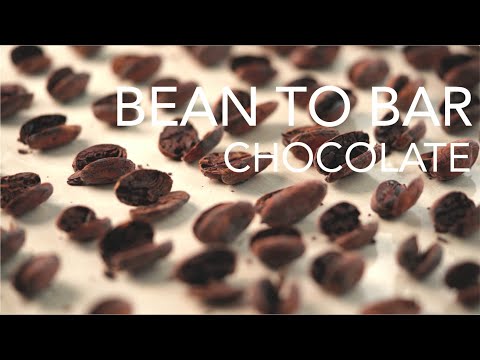
Build a direct-trade chocolate brand — sourcing cacao from smallholder agroforestry farms, processing bean-to-bar in-country, and selling at premium margins into export and urban retail channels — where the supply-chain story IS the product.
Why now
Bean-to-bar chocolate has gone from niche to mainstream in the premium segment; single-origin bars command ৳800–2,500 in Asian urban markets and $8–20 in Europe. Consumers and corporate buyers increasingly demand supply-chain transparency and deforestation-free certification (EU EUDR regulation, effective 2025, requires supply-chain mapping for all cacao). Agroforestry cacao — grown under forest canopy — naturally satisfies EUDR requirements AND commands a 15–25% price premium over monoculture cacao.
Why Bangladesh
This is a lower-fit idea for Bangladesh specifically: Bangladesh is not a major cacao producer, so the supply chain would need to source from Sylhet or cross-border from Northeast India or Myanmar — adding complexity. However, Bangladesh is a plausible processing and branding hub given its garment-sector packaging and export infrastructure. The stronger Bangladesh angle is funding agroforestry farms in the Sylhet hills or Chittagong Hill Tracts where existing shade agriculture (tea, jackfruit) could integrate cacao as an intercrop, creating a genuine local supply chain over a 5–7 year horizon.
As a business
Revenue from bar sales at premium retail (urban Dhaka cafés, export to diaspora markets, online), wholesale to hotels and premium food service, and corporate gifting (a fast-growing channel in Dhaka's corporate sector). Margin is wide: cacao at direct-trade prices converts to bars at 4–6× input cost when processed in-country. Carbon credits and biodiversity payments from agroforestry farms add a secondary income for the farmer-partners, strengthening supply-chain loyalty.
Economics
Move the sliders to model a bean-to-bar chocolate brand. Defaults are order-of-magnitude estimates — pressure-testing them is part of what a founder pitches us.
Model a bean-to-bar chocolate brand
Clears its setup cost after ~5 months, then profit (volt) from there. Hover or tap the chart for any month.
Illustrative model — defaults are order-of-magnitude estimates from public data, not a forecast. Pressure-test every number before you build.
What AimHuge would back
A founder with both a farming relationship (an actual agroforestry pilot, even at one hectare) and demonstrated brand taste — the product has to be genuinely good chocolate, not just a sustainability story on a mediocre bar. Given the low BD fit, we would prioritise a team that has already sold product into a Dhaka premium retailer or exported a first shipment.
Impact
Agroforestry cacao grown under forest canopy sequesters an estimated 3–6 tCO₂e/ha/yr in above-ground biomass versus monoculture, while eliminating the synthetic fertiliser and pesticide inputs that account for 60–70 % of monoculture cacao's carbon footprint. At 2,000 bars per month the brand leverages a premium price that passes ~15 % back to farmers as a direct-trade premium over commodity cacao, displacing income that would otherwise depend on forest-clearing for crop expansion. EU EUDR compliance built into the supply chain positions the brand for European export, earning hard currency on a product where Bangladesh currently exports almost none.
Also being built elsewhere
Companies proving the model in other markets.
India's first certified-organic bean-to-bar brand; sources from Kerala cooperatives; demonstrates that South Asian single-origin chocolate commands international premium pricing.
Direct-trade bean-to-bar; sources directly from Tamil Nadu and Kerala farmers; proves EU export market accessible from South Asian processing operations.
More Regenerative Agriculture ideas
Other climate businesses we want built.