Idea Bank — Request for Climate Startups
Solar Fence Systems
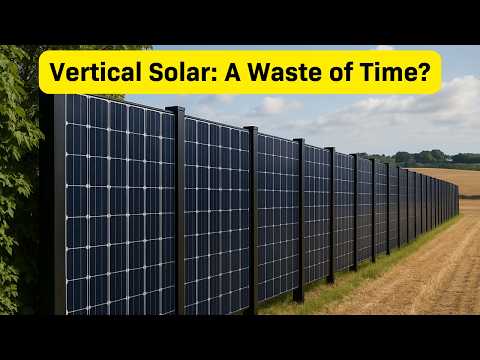
Dual-purpose solar panel fencing that powers farms and rural properties while securing perimeters.
The ask
Design and sell modular solar panel fencing systems — panels integrated into fence posts and rails — that replace conventional perimeter barriers for farms, aquaculture ponds, and rural institutions while simultaneously generating off-grid electricity.
Why now
Solar panel prices have fallen 90% over the past decade; the gap between a conventional fence and a solar fence is now ৳1,500–3,000 per metre rather than ৳8,000+, making the solar premium recoverable from energy savings within 3–5 years. Bangladesh's rural electrification rate is high by South Asian standards (over 90%), but power quality is poor and load-shedding common — distributed solar generation has clear value even in grid-connected areas. The Solar Home System market has demonstrated that rural Bangladeshis will pay for reliable solar power.
Why Bangladesh
Bangladesh has the highest number of Solar Home Systems in the world (~6 million installed by IDCOL); the supply chain, installation skill base, and consumer familiarity with solar are all in place. Aquaculture is a ৳40,000+ crore sector; fish ponds and shrimp farms require both perimeter security and on-site power for aerators and pumps — a single product addressing both needs has clear product-market fit. Cyclone-resilient mounting (low-profile, ground-level panels) is a design requirement that also differentiates from standard rooftop solar.
As a business
Sell systems direct to medium and large farms, aquaculture operators, and rural institutions (schools, health centres) that need both a fence and off-grid power. Revenue is upfront hardware sale plus an installation and maintenance service contract. A rental/PAYG model (common in the Bangladesh SHS market) could extend reach to smallholder farmers. Volume cost reduction comes from standardising panel-post integration hardware and buying panels in bulk.
Economics
Move the sliders to model a solar fence business. Defaults are order-of-magnitude estimates — pressure-testing them is part of what a founder pitches us.
Model a solar fence system business
Does not break even within 5 years at these inputs — adjust the sliders. Hover or tap the chart for any month.
Illustrative model — defaults are order-of-magnitude estimates from public data, not a forecast. Pressure-test every number before you build.
What AimHuge would back
A founder with a solar installation background who has already sold a first demonstration fence to an aquaculture or poultry farm and can show power-output data. The design problem is not trivial — panels must survive cyclone-force winds at ground level — and we want to see that the structural engineering is solved before we scale distribution.
Impact
A 300 m solar fence system at 4.5 kWp (15 W/m at vertical bifacial efficiency) generates roughly 3,500 kWh/yr, displacing ~2.7 tCO₂e versus grid or diesel alternatives. Across 24 jobs per year (7,200 m of fence/yr) the annual avoided emissions reach ~65 tCO₂e; as the installed base grows into aquaculture and agriculture, the real impact is in displaced diesel for pond aerators and irrigation pumps — each kWh of displaced diesel saves ~$0.08 in imported fuel. Bangladesh's aquaculture sector ($4+ billion) has millions of hectares of fenced ponds with on-site power needs that this product addresses in one product.
Also being built elsewhere
Companies proving the model in other markets.
German market leader in bifacial vertical solar fences for farms and municipalities — directly comparable product for agriculture and aquaculture perimeter fencing.
US solar panel fence system combining perimeter security with energy generation — first US commercial installation in 2024, validating the product category.
More Clean Energy ideas
Other climate businesses we want built.