Idea Bank — Request for Climate Startups
Chitin Foam from Shrimp Shells
Shrimp-shell chitin replaces EPS packaging foam — Bangladesh's shrimp industry makes it a local raw material play.
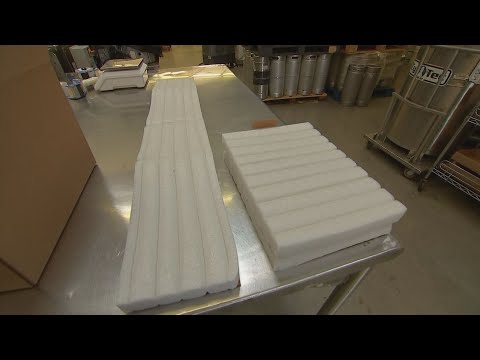
The ask
Extract chitin from shrimp processing waste and convert it into biodegradable packaging foam — a drop-in replacement for expanded polystyrene (EPS) — targeting garment exporters, electronics distributors, and pharmaceutical cold-chain users who face EU/UK single-use plastics bans on their export packaging.
Why now
Cruz Foam (US) proved chitin-based foam is commercially viable at scale in 2023. The EU Single-Use Plastics Directive and the UK equivalent are forcing Bangladesh's garment exporters to re-examine all packaging materials — a compliance deadline, not just a preference. EPS prices have risen 35% since 2021. The technology path is now derisked; the remaining challenge is local feedstock processing, which Bangladesh can do cheaply.
Why Bangladesh
Bangladesh is the world's fifth-largest shrimp exporter, processing roughly 150,000 tonnes/year; shrimp shell waste runs at ~40% of input weight and is currently landfilled or dumped at cost. That waste stream contains enough chitin to supply a meaningful domestic foam industry. Khulna and Chittagong both host large shrimp processing clusters where a chitin extraction plant co-located with processors would have near-zero feedstock transport cost.
As a business
The primary customer is garment exporters (a ৳4+ trillion industry) who need compliant packaging materials to maintain EU market access; secondary customers are pharma companies shipping cold-chain products. Revenue is per-kg of foam sold with a green premium over EPS; a carbon credit registration on the diverted waste stream adds a secondary income. The feedstock is currently a disposal liability for shrimp processors, meaning it may be available free or at negative cost.
Economics
Move the sliders to model your own chitin foam plant. Defaults are order-of-magnitude estimates — pressure-testing them is part of what a founder pitches us.
Model a chitin foam plant
Clears its setup cost after ~2.4 years, then profit (volt) from there. Hover or tap the chart for any month.
Illustrative model — defaults are order-of-magnitude estimates from public data, not a forecast. Pressure-test every number before you build.
What AimHuge would back
A founder with chemistry or materials science depth who has already secured a feedstock supply agreement with at least one shrimp processor and can demonstrate a working foam sample — not just the Cruz Foam slide deck. Ideally co-located with a Khulna or Chittagong processor to minimise waste transport.
Impact
Expanded polystyrene (EPS) packaging generates approximately 3.5 kg CO₂e per kg during production and is essentially non-biodegradable; chitin foam biodegrades in under 120 days and its feedstock — shrimp shell waste currently landfilled — has a near-zero carbon cost. Bangladesh's 150,000-tonne annual shrimp processing output generates roughly 60,000 tonnes of shell waste; converting even 10 % to chitin foam would displace thousands of tonnes of EPS and eliminate a significant coastal pollution liability. The business also keeps plastic-packaging import expenditure inside the country, generating direct FX savings for Bangladesh's garment and pharma exporters.
Also being built elsewhere
Companies proving the model in other markets.
Raised $18M Series A proving chitin-based foam is commercially viable at scale; validated drop-in EPS replacement for cold-chain and protective packaging markets.
Converts lobster and shellfish waste into recyclable bioplastic objects; demonstrates the material science and B2B product pathway from seafood processing waste.
More Biomaterials ideas
Other climate businesses we want built.